“Just do it yourself” is tempting advice for every home fix, because DIY obviously saves the labour cost of a professional. Sometimes it’s exactly right — a genuine win of money and satisfaction. Other times it’s a false economy that ends up costing more than hiring someone would have, or a job that’s simply too risky to attempt. The skill isn’t being handy or not; it’s knowing how to run the decision. A little honest math up front tells you which jobs to tackle and which to hand off.
Factor 1: your skill vs. the job’s difficulty
Start with an honest assessment of the gap between what the job requires and what you can actually do. Plenty of tasks are genuinely beginner-friendly — painting a room, assembling furniture, swapping a tap washer, basic caulking — and there’s good guidance for them. Others demand real expertise, and a botched attempt makes things worse and more expensive to fix. Be realistic, not optimistic: “I’ll figure it out” is fine for low-stakes jobs and dangerous for high-stakes ones. If a mistake would be costly or hard to undo, that weighs heavily toward a pro.
Factor 2: the true cost, not just the labour
DIY looks cheaper because you only count the pro’s fee — but the real comparison includes what doing it yourself actually costs:
- Tools and materials. If a job needs a specialised tool you’ll use once, buying it can wipe out the savings (renting helps). Add the cost of materials, and of buying extra because you got it wrong the first time.
- The cost of mistakes. This is the big hidden one: a DIY error can mean redoing the work, paying a pro to fix your attempt (often more than if they’d done it originally), or real damage. Factor in the odds you’ll get it right.
Sometimes the math still favours DIY handily; sometimes, once you count tools and risk, the “expensive” professional is actually the cheaper option.
Factor 3: your time (and whether you’ll finish)
Your time has value, even off the clock. A job that takes a pro two hours might take you a whole weekend of learning, false starts, and trips to the hardware store. If you’d genuinely enjoy the project and have the time, that’s a point for DIY — the satisfaction and skill are real benefits. But if it means precious weekend hours you’d rather spend elsewhere, or a half-finished job that lingers for months, paying someone to do it quickly and correctly can be well worth it. Be honest about whether you’ll actually see it through.
Factor 4: safety and rules (the non-negotiables)
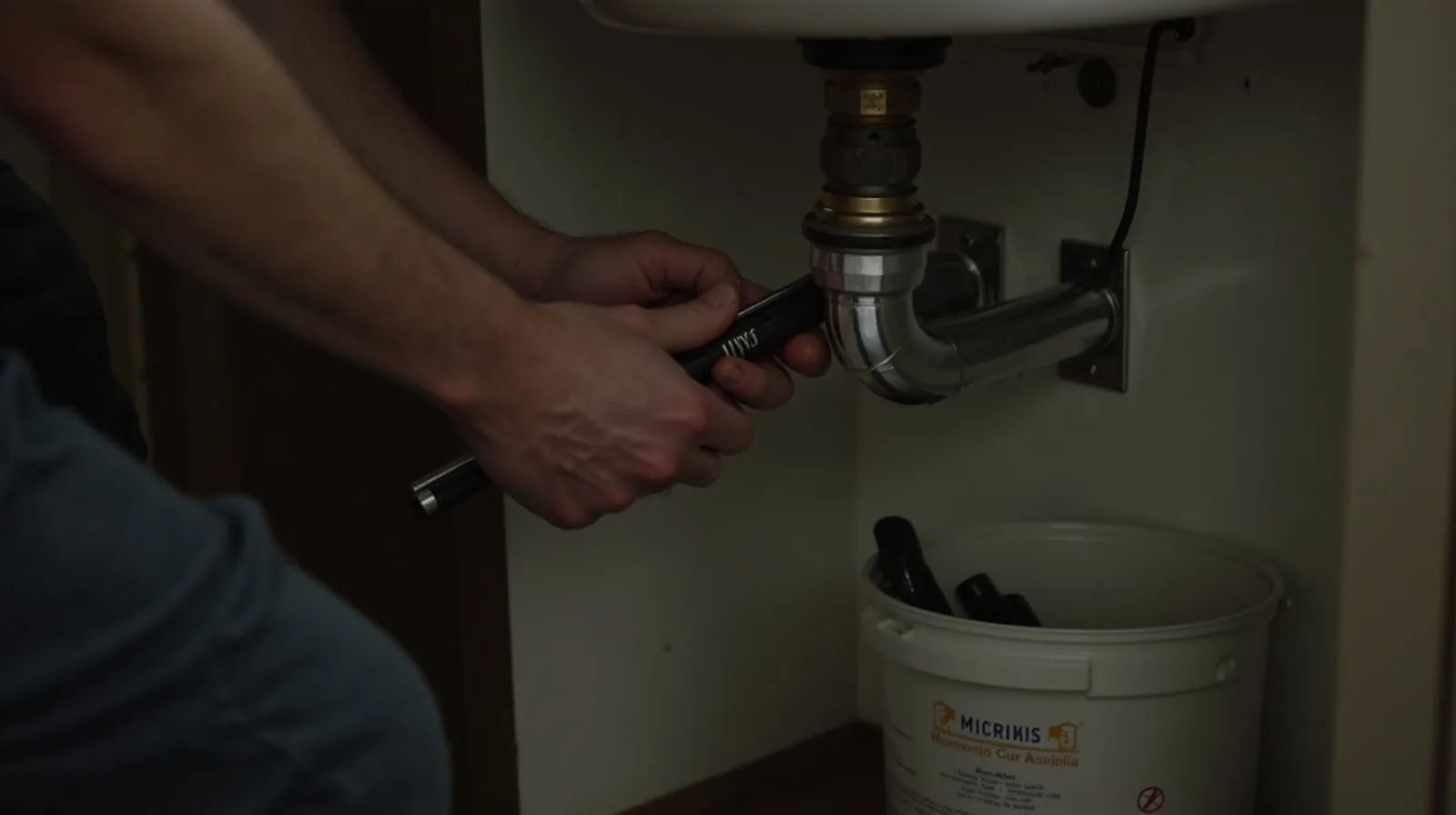
Some jobs aren’t about money at all — they’re about safety and doing things properly, and here the answer is usually “pro,” full stop. Serious electrical work, gas, major plumbing, structural changes, and anything involving heights or hazardous materials carry real danger and often legal or code requirements. A mistake can cause a fire, a flood, injury, or a problem that voids your insurance or fails an inspection. Save DIY for these only if you’re genuinely qualified; otherwise, the cost of a pro buys safety and peace of mind that’s not worth gambling.
Putting it together
Run a fix through the four factors and the answer usually becomes clear. DIY when the job is within your skill, the true cost (tools, mistakes) is genuinely lower, you have the time and maybe enjoy it, and it’s not dangerous. Call a pro when the job exceeds your skill, mistakes would be costly, your time is better spent elsewhere, or safety and rules are involved. The goal isn’t to always DIY or always hire — it’s to choose correctly for each job, so you save money where DIY truly wins and avoid the false economies where it doesn’t.