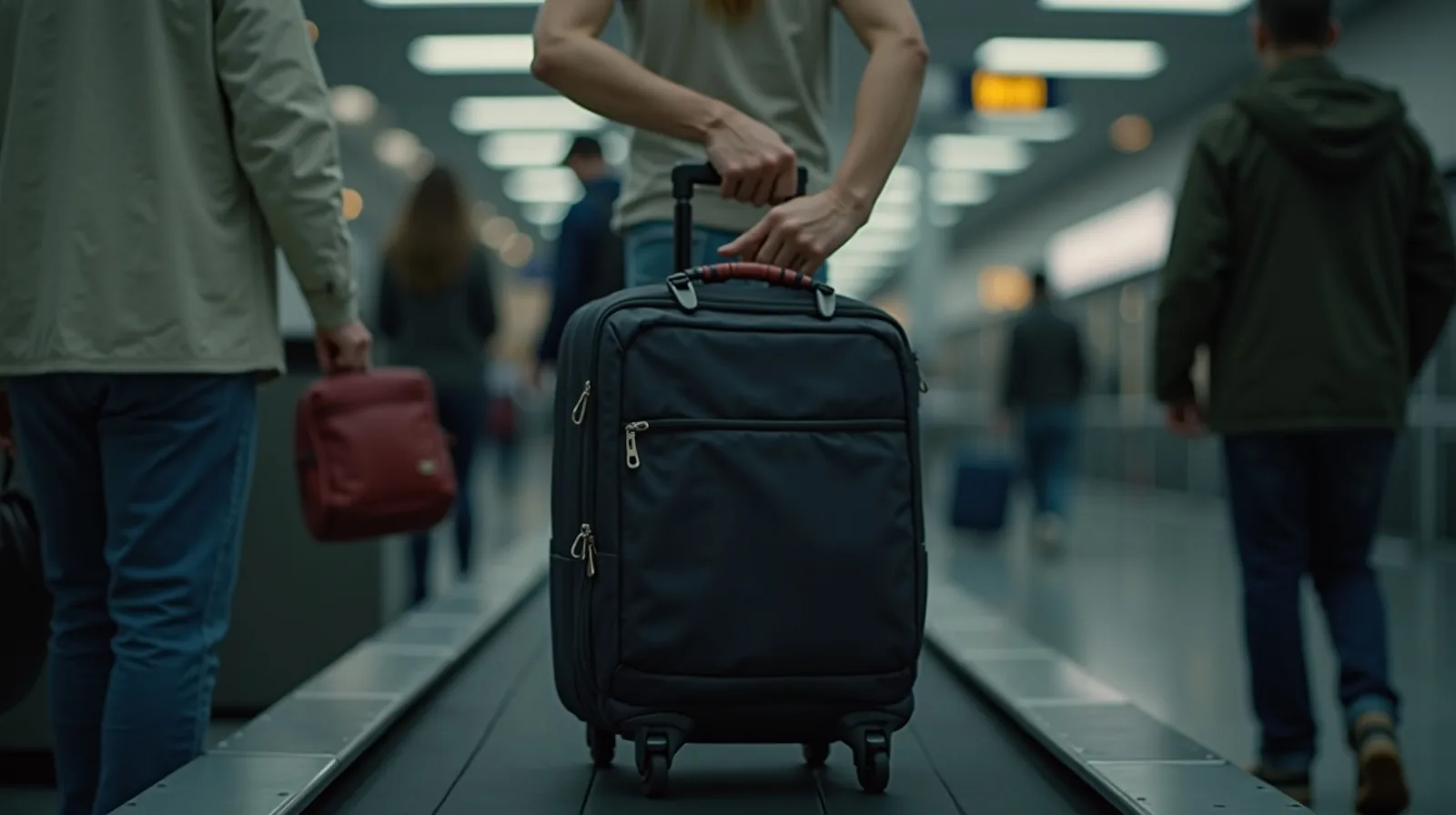
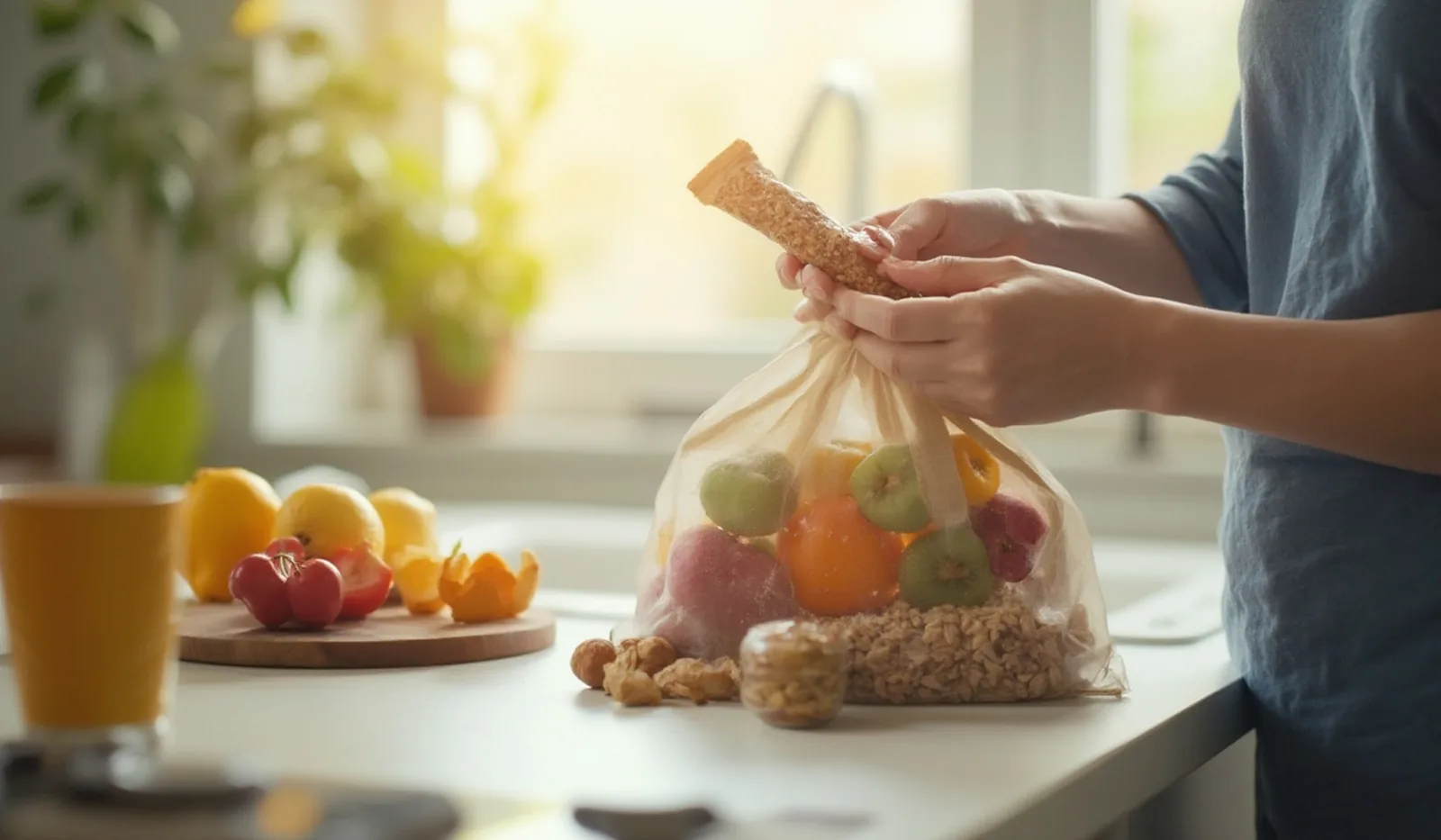
Airport terminals turn ordinary food into a captive-audience markup: a sandwich that would cost one price at a corner shop costs nearly double past security, and the choices skew toward salty, packaged, and forgettable. None of that is necessary. A little planning turns a long layover or an early flight into an easy stretch of decent, cheap food instead of a stressful search for something edible near the gate, and it means a delay or a gate change doesn’t leave you stuck without options.
Why airport food isn’t worth the money or the wait
Airport vendors pay steep rent and know their customers have nowhere else to go, so prices run well above what the same food costs a mile outside the terminal. Lines at the popular spots also eat into the buffer time you built for security and boarding, which means the food that’s actually good is often the food you don’t have time to wait for. Bringing your own sidesteps both problems: no markup, no line, and no risk of a gate change stranding you far from the only decent option. It also removes the temptation to eat something heavy or greasy simply because it’s the fastest thing on offer, which tends to sit poorly once you’re airborne and immobile for several hours.
What travels well and what security actually restricts
Security rules trip people up more from assumption than fact. Solid food — fruit, nuts, a sandwich, crackers, jerky, a bar — sails through with no restriction at all. What gets stopped is anything that counts as a gel or liquid over the standard carry-on limit: yogurt, hummus, a soft cheese, a smoothie, soup. Pack those in a checked bag if you must bring them, or buy them once you’re past the checkpoint instead.
- Solid snacks — whole fruit, nuts, dried fruit, granola bars, crackers, jerky — pass through security without issue.
- Gels and liquids like yogurt cups, hummus, or a smoothie fall under the same limit as any other liquid and usually get pulled at the bin.
- Sandwiches and wraps count as solid food and travel fine, even with a spread already on them.
- Baby food and medically necessary liquids are typically allowed in reasonable quantities beyond the standard limit — check current guidance if that applies to your trip, but don’t assume it’s banned outright.

An empty bottle beats a bought one every time
A refillable bottle that’s completely empty at the checkpoint isn’t a liquid at all, so it goes through the scanner with the rest of your bag and gets filled at a water fountain or a café tap on the other side. That one habit alone can replace two or three overpriced bottled waters over a long layover and a flight, and it means you’re never stuck dehydrated because the drink cart hasn’t come around yet. Keep it visibly empty on top of your bag as you approach the bin, so there’s no question at the checkpoint and no delay while an officer checks. Many terminals now have dedicated bottle-filling stations built into the water fountains, which fill faster and stay more sanitary than cupping water from a standard spout, so it’s worth a quick look for one near the gate.
Pack an actual meal, not just snacks
Snacks alone can leave you hungry by the time a flight lands, especially on anything longer than a couple of hours with no meal service. A real portable meal — a wrap, a grain bowl with a lid, a sandwich, cold noodles in a sealed container — travels just as easily as a bag of nuts and actually keeps you fed. Pack it near the top of your personal item so it’s reachable without unpacking the whole bag mid-flight, and consider a small insulated pouch if the trip involves a long wait between packing at home and actually eating, so nothing warms up or wilts in the meantime.
Favor food that’s quiet to eat and low on smell in a pressurized cabin, where odors carry further than they would in an open room — a tuna sandwich or a hard-boiled egg is a considerate choice at home and a less considerate one three feet from a stranger for five hours. And if the trip involves an international arrival, check that destination’s food import rules before packing fresh produce or meat in checked or carry-on bags; many countries restrict bringing in fruit, meat, or dairy from abroad, and it’s easier to declare or finish it before landing than have it confiscated.