Anyone who has traveled with young children knows it can be either a lovely adventure or a test of endurance — and the difference is rarely luck or how “good” the kids are. It’s systems. Kids do best when their needs are anticipated and met, and travel throws all of those needs (hunger, boredom, tiredness, comfort) into a small space for a long time. Set up a few simple systems in advance and you head off most of the trouble, keeping the trip enjoyable for the children and survivable for the adults.
Food is half the battle
A hungry child is an unhappy child, and travel makes regular meals harder, so make snacks a system, not an afterthought. Pack plenty of easy, mess-friendly snacks and drinks within arm’s reach — not buried in the trunk or the overhead bin — so you can respond to hunger instantly, before it becomes a meltdown. Keep water handy, bring familiar favourites (unfamiliar places aren’t the time to introduce new foods), and have a bit more than you think you’ll need. This one system prevents a huge share of travel misery.
The bag of novelty
Boredom is the other great enemy, and the antidote is new-to-them things doled out over time. Pack a dedicated bag of entertainment — small toys, activity books, stickers, colouring supplies, a downloaded show or game — and the trick that works wonders: include a few novel items they haven’t seen, and reveal them one at a time when attention flags. A small new toy every hour or two buys remarkable stretches of calm. Wrap them if you like; the unwrapping is half the fun. Download entertainment in advance, since you can’t rely on signal.
Comfort and each child’s essentials
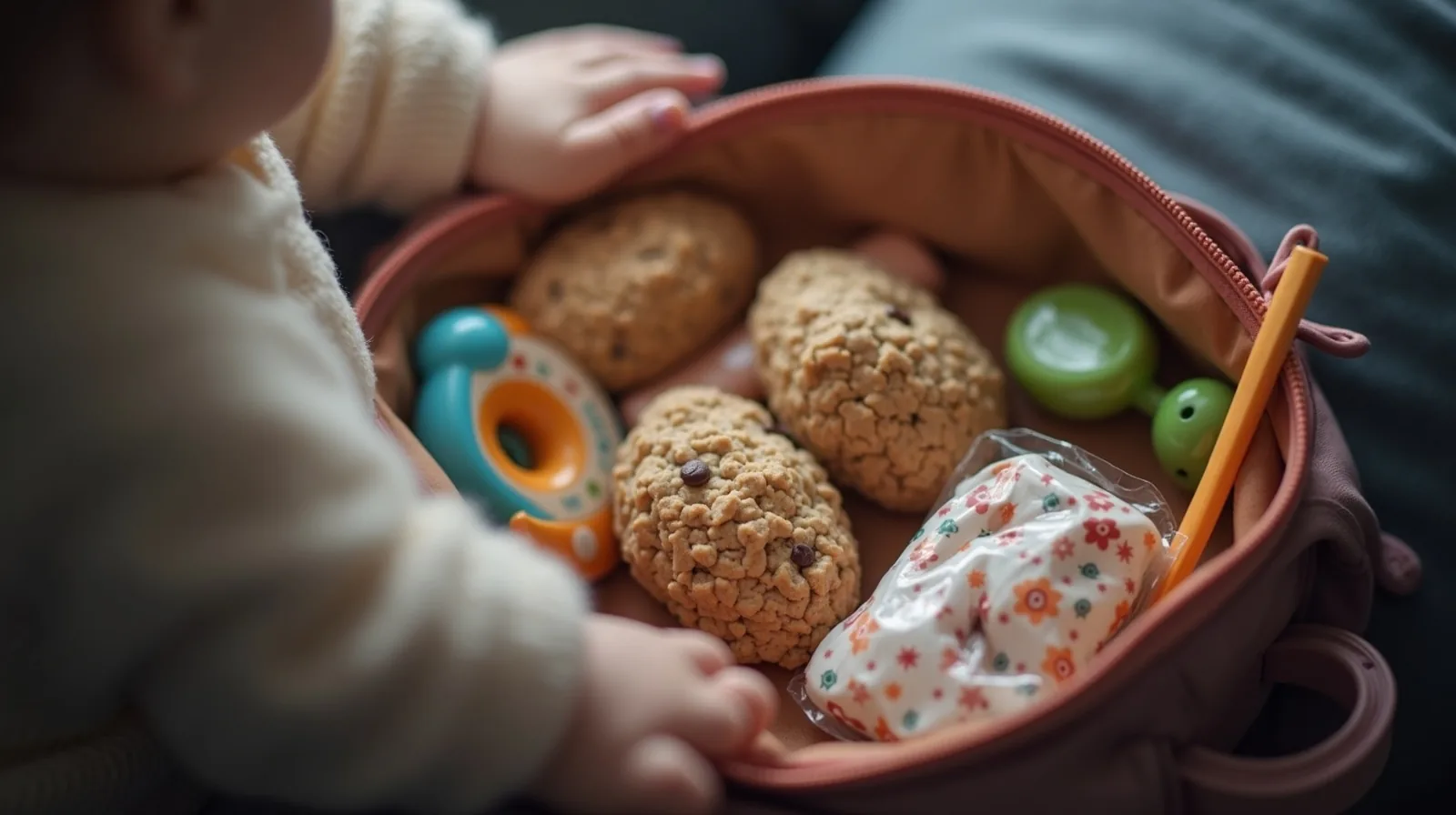
Travel is disruptive, so bring the things that help kids feel secure:
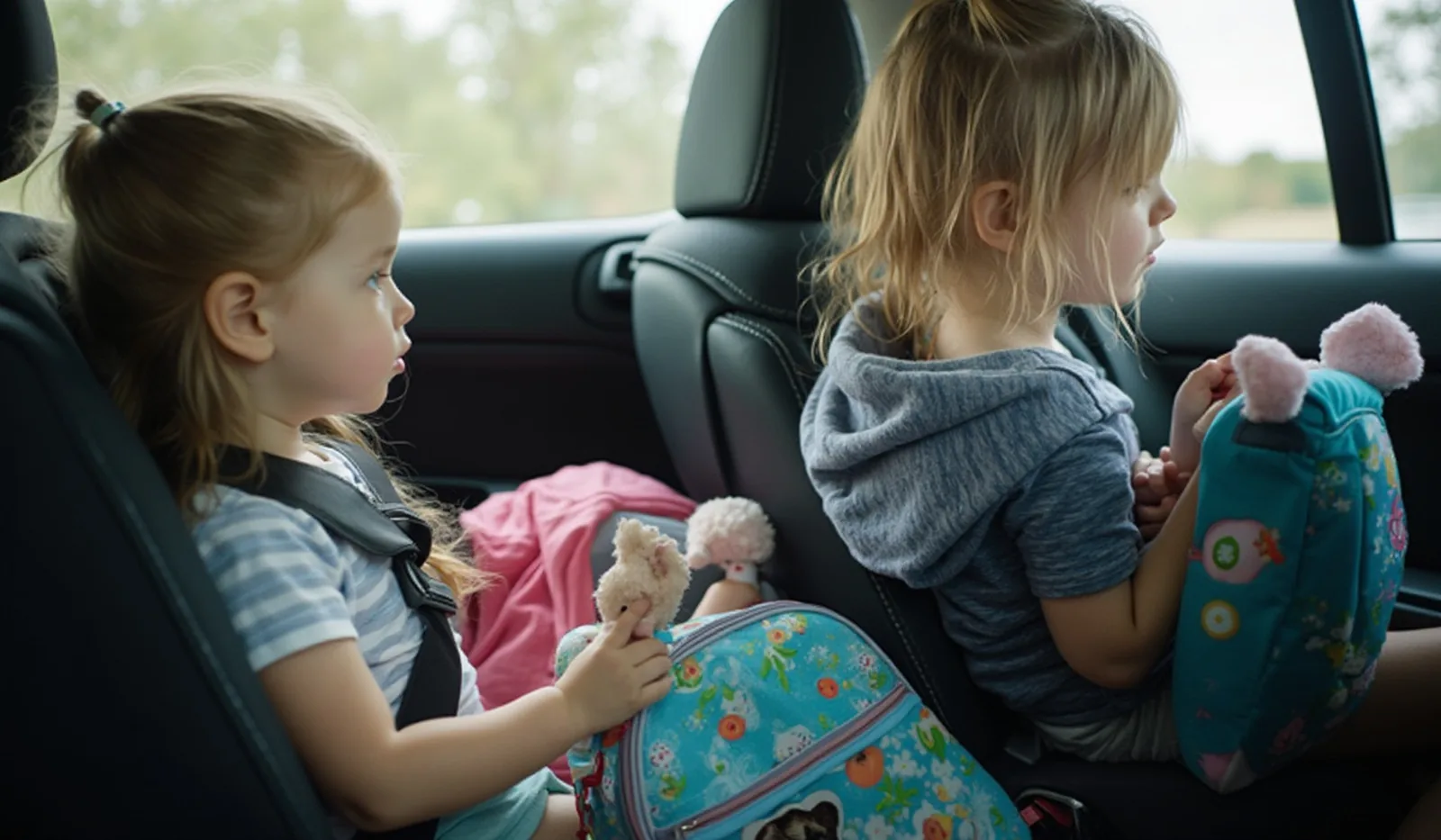
- Comfort items — the beloved stuffed animal, blanket, or pacifier. Forgetting the lovey can derail an entire trip; keep it firmly in hand, and consider a backup for the truly essential ones.
- A change of clothes (for them and, honestly, a spare top for you) and wipes within reach, because spills and accidents are a matter of when, not if.
- Each child’s essentials accessible — you don’t want to dig through a packed bag for a diaper or medicine mid-journey.
Set realistic expectations and pace
Perhaps the biggest system is a mental one: expect travel to take longer and go less smoothly with kids, and plan around it. Build in extra time so you’re not rushing stressed children, schedule around naps and meals where you can, and keep the itinerary loose — a packed schedule that ignores kids’ limits is a recipe for meltdowns. Plan regular breaks to move and burn energy on long journeys. Kids feed off your stress, so a calm, unhurried adult is itself a system that keeps everyone happier.
Plan for the meltdown
Even with everything right, kids melt down — they’re tired and out of routine. Accept it in advance and have a plan: stay calm, address the underlying need (hungry? tired? overstimulated?), and have a go-to soother ready (a snack, the comfort toy, a favourite song). Don’t aim for a perfect trip; aim for a resilient one where the rough patches pass quickly. And give yourself grace — a hard hour on the road isn’t a failed trip.
Traveling with kids works when you stop hoping for good behaviour and start building systems that meet their needs before they boil over: snacks in reach, a bag of novelty, comfort items secured, realistic pacing, and a meltdown plan. Set those up and you’ll spend the trip making memories instead of managing crises.